
 Mountain Tours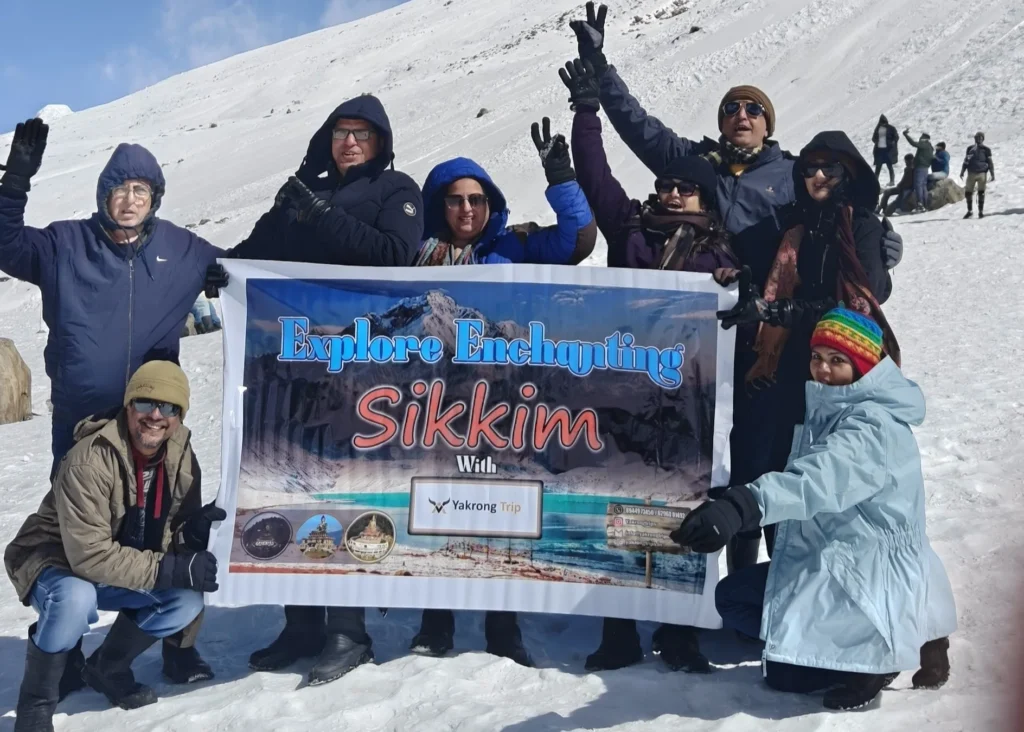
Some places you visit for the view. Zero Point, you visit for the feeling of standing at the very edge of the map – where the road simply stops, snow stretches in every direction, and the only sound is wind moving across the mountains. At Yakrong Trips, this is one of the stops our North Sikkim groups talk about long after they’re back home, and it’s exactly why we’re putting together this guide: everything you need to know about Zero Point Sikkim before you go.
What Is Zero Point Sikkim?
Zero Point, officially known as Yumesamdong, sits at roughly 15,300 feet (about 4,724 metres) above sea level in North Sikkim, close to the Indo-China border. The name comes from a simple fact: this is the last motorable point in the region. Beyond here, there’s no road, and tourists aren’t permitted to go further due to the sensitive border location.
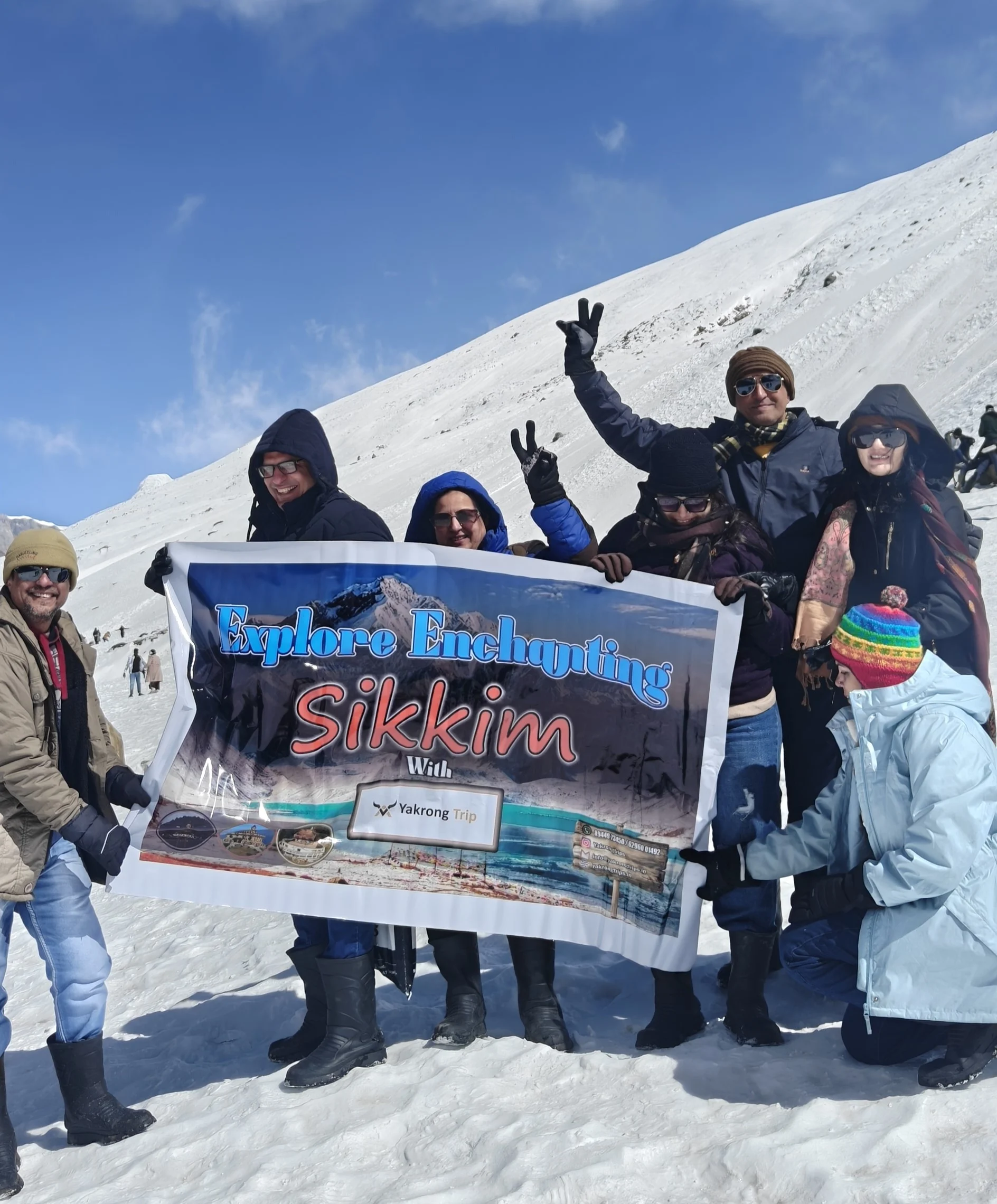
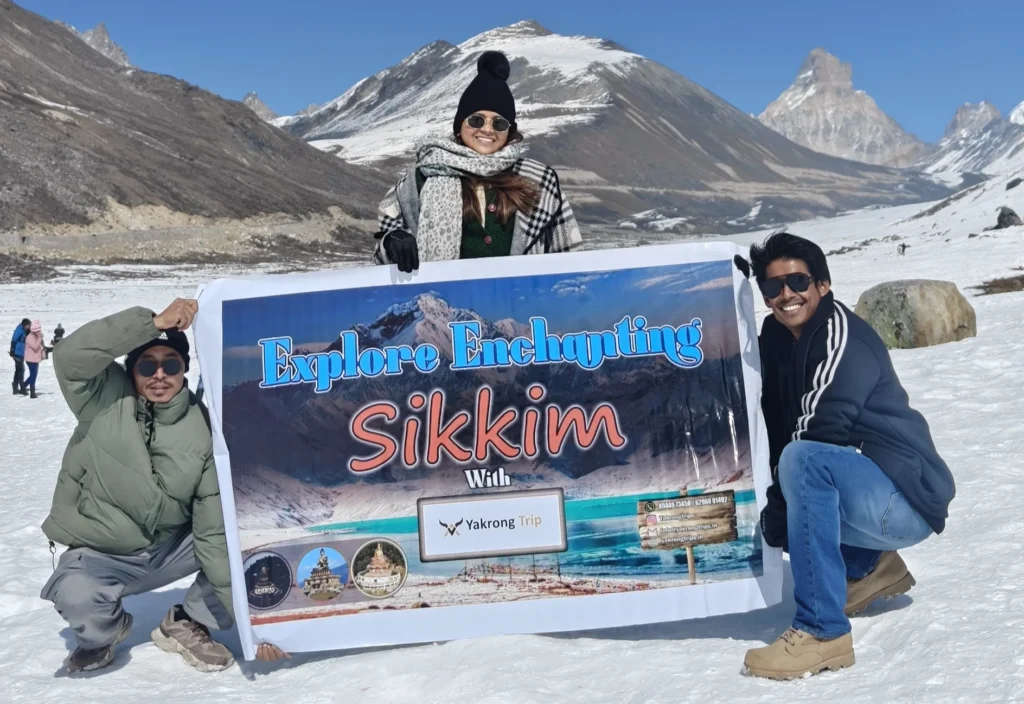
What you get instead is a landscape unlike anywhere else on a typical Sikkim itinerary – a wide, snow-blanketed basin where three mountain rivers meet, surrounded by bare, jagged peaks with almost no vegetation at this altitude. It’s cold, it’s dramatic, and on a clear day, the light on the snow is genuinely one of the best photo opportunities in the entire state – which is exactly what you can see in our guests’ photos from this spot.
Zero Point is usually visited as part of a longer North Sikkim loop through Lachung and Yumthang Valley, roughly 23–26 kilometres beyond Yumthang itself.
How to Reach Zero Point Sikkim
The journey to Zero Point isn’t something you do in a day trip from Gangtok – it’s the final leg of a multi-day North Sikkim itinerary. Here’s how it typically breaks down:
- Gangtok to Lachung: Around 120 km, taking roughly 6–7 hours through scenic mountain roads, waterfalls, and river valleys. Most groups overnight in Lachung.
- Lachung to Yumthang Valley: An early morning drive the next day, stopping to take in Yumthang’s alpine meadows (spectacular with rhododendrons in season).
- Yumthang to Zero Point: The final stretch – about 23–26 km and roughly 1–1.5 hours on a rougher, winding mountain road. This part requires a registered tour vehicle; private cars aren’t permitted beyond a certain point.
You cannot visit Zero Point independently. It sits within a Protected Area, and access is only possible through vehicles and permits arranged by a registered Sikkim tour operator, which is where we come in for our North Sikkim groups. We handle the Protected Area Permit, the vehicle authorisation, and the logistics of timing the drive around the weather, so all you need to do is show up ready for the cold.
Zero Point Sikkim: Permits Required
Because of its proximity to the international border, Zero Point requires a Protected Area Permit (PAP) for Indian nationals, arranged through a registered tour operator – individual travellers cannot apply directly. Foreign nationals currently cannot visit Zero Point itself, though Lachung and Yumthang Valley remain accessible with the right permits.
Permit costs are modest – typically in the ₹200–300 per person range – but the real value of booking through an operator is that the entire process (documentation, vehicle permits, timing around road/weather conditions) is handled for you well before you even land in Gangtok.
Best Time to Visit Zero Point Sikkim
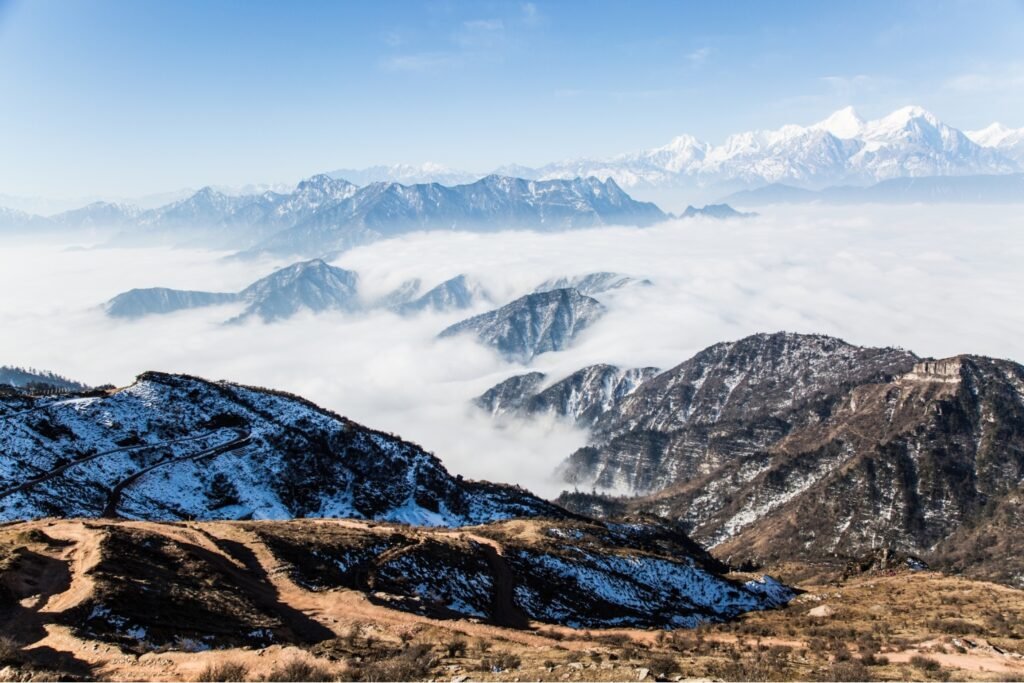
Zero Point is snow-covered for most of the year, which is part of its appeal, but conditions do shift by season:
- March to June: Generally considered the best window – clearer roads, milder daytime temperatures, and (starting in April–May) Yumthang Valley’s famous rhododendron blooms on the way up. Snow is usually still present at Zero Point itself even in early summer.
- October to early December: Crisp, clear skies and dry weather, though colder than spring. A good choice if you want fewer clouds and sharper mountain views.
- July to September (monsoon): Best avoided – heavy rain increases landslide risk on the mountain roads, and visibility drops.
- December to February: Heavy snowfall can block the road entirely, and temperatures can fall well below freezing. Trips are still occasionally possible on clear days, but with far less certainty – this is the trade-off for the deepest, most dramatic snow.
Because Zero Point access depends heavily on real-time road and weather conditions, we always recommend building at least one buffer day into a North Sikkim itinerary, and we track conditions closely before confirming the final day’s route for our guests.
What to Expect on the Day
Even in the warmer months, temperatures at Zero Point regularly sit near or below freezing, so proper layering isn’t optional – thermals, a good jacket, gloves, and warm socks make a real difference. At close to 15,300 feet, oxygen levels are noticeably lower than at sea level; mild breathlessness or light-headedness is common, especially if you’re moving quickly or haven’t acclimatised. Most tour groups, ours included, keep the stop at Zero Point relatively short – generally 20–30 minutes – which is enough time to take in the view and get your photos without pushing the altitude too hard.
There are no hotels, shops, or facilities at Zero Point itself – it’s genuinely the edge of civilisation, which is a big part of its charm. The nearest accommodation is back in Lachung, about an hour or so away.
Zero Point vs. Gurudongmar Lake
If you’re planning a North Sikkim trip, you’ll often see Zero Point and Gurudongmar Lake mentioned together – but they’re on different routes (Zero Point via Lachung/Yumthang; Gurudongmar via Lachen) and typically can’t both be covered comfortably on the same short trip. If snow landscapes and dramatic mountain scenery are your priority, Zero Point delivers that in a more accessible 3–4 day loop. Gurudongmar, one of the highest lakes in the world, is a longer, more demanding add-on best suited to travellers with extra days and good altitude tolerance.
Frequently Asked Questions
How high is Zero Point Sikkim?
Zero Point (Yumesamdong) sits at approximately 15,300 feet (about 4,724 metres) above sea level, making it one of the highest points most travellers visit on a standard Sikkim itinerary.
Do I need a permit to visit Zero Point?
Yes – a Protected Area Permit is required for all Indian visitors, arranged through a registered tour operator. Foreign nationals currently cannot visit Zero Point itself.
Is Zero Point covered in snow all year?
Largely, yes – it’s snow-covered for most of the year, though the depth and road accessibility vary by season. Winter (Dec–Feb) brings the heaviest snow but the least reliable road access.
Can I drive there myself?
No. Private vehicles aren’t permitted beyond a certain point, and the area requires a registered operator’s vehicle and permit.
How long does the North Sikkim trip to Zero Point take?
Most itineraries run 3–4 days from Gangtok, covering Lachung, Yumthang Valley, and Zero Point, with overnight stays in Lachung.
Plan Your Zero Point Trip with Yakrong Trips
Standing at Zero Point – snow in every direction, the road simply ending beneath your feet – is one of those Sikkim moments that photos only half capture. We’ve taken groups up through Lachung and Yumthang Valley to Zero Point many times, and we handle the permits, the vehicles, and the timing so you can focus on the experience. If a North Sikkim trip is on your list, reach out, and we’ll help you plan it around the season that suits you best.

